

Should You Switch from an Oil AGA to Electric?
25 September 2026
For generations, oil-fired AGA and Rayburn cookers have provided dependable cooking, background warmth and, in some homes, hot water or central heating. However, changing fuel costs, maintenance requirements and a desire for greater control mean that many owners are now considering an electric alternative.
That does not necessarily mean replacing the cooker you already own.
Depending on its age, condition and role within your home, you may be able to convert an oil AGA to electric, replace it with a new electric AGA, or choose an electric heat-storage cooker from another manufacturer. Continuing to use oil may also remain perfectly practical for some households.
There is no single option that is right for every home. The important thing is to understand how you currently use your cooker, what else it supplies and what you want to change.
Oil-fired range cookers remain particularly useful in rural properties without access to mains gas. They provide familiar radiant-heat cooking and can contribute valuable warmth to the kitchen.
However, ownership also involves considerations that do not apply to a fully electric cooker. These may include arranging fuel deliveries, maintaining an external oil tank, servicing the burner and looking after the flue.
Oil prices can fluctuate, while the amount used will depend on the cooker, its settings and whether it also provides heating or hot water. Some owners are therefore looking for a cooker where energy use can be scheduled or divided between independently controlled ovens and hotplates.
Others simply want to retain the traditional appearance and cooking style while removing the need to store and burn oil.
There are four broad routes to consider:
| Option | May suit you if… | Points to consider |
|---|---|---|
| Keep the existing oil cooker | It works reliably, provides useful room heat and its running pattern suits your household | Continued servicing, fuel deliveries, flue maintenance and oil storage; oil prices can change over short periods |
| Convert an existing AGA to electric | You want to retain the cooker’s cast-iron body and familiar appearance | Suitability depends on the model and its condition; conversion cost and electrical work must be assessed, including any increase in electrical load |
| Replace it with a new electric AGA | You want current controls, modern cooking zones, new parts and colour choices, and a new manufacturer-supported appliance with a warranty; there is no oil burned at the cooker | Higher initial purchase cost, removal of the existing cooker and potentially a greater electrical load |
| Choose another electric heat-storage cooker | You are open to a different design, control system or cooking configuration | Cooking characteristics, heat output, dimensions and electrical requirements vary by brand and model |
An assessment should look at more than the cooker alone. Your kitchen layout, electricity supply, cooking routine and current heating arrangements can all affect the decision.
Many traditional oil-fired AGA cookers can be converted to electricity. During a conversion, the oil-burning components are removed and electric heating elements and controls are installed within the existing cooker.
This allows owners to keep the recognisable cast-iron cooker and enamelled exterior while changing the way it is powered and controlled. On most conversion systems, ovens and hotplates may be operated independently, scheduled or placed into lower-temperature modes.
However, not every cooker is automatically suitable. Its age, configuration and structural condition must be checked. The installer will also need to establish whether the property has an appropriate electrical supply and how the oil line, tank and flue will be dealt with.
Walter Dix & Co provides further information about its AGA electric conversion and refurbishment services.
The precise process depends on the cooker and conversion system, but it will generally include:
Any work involving the oil supply or electrical installation must be undertaken by appropriately qualified professionals. Arrangements for any unwanted oil tank and flue should also be agreed before work begins.
Conversion and replacement solve slightly different problems.
A conversion retains much of the existing cooker. This can be attractive when the cooker is in good condition, fits the kitchen perfectly or has sentimental value. Refurbishment or re-enamelling may sometimes be carried out alongside the conversion.
Replacement gives you a completely new appliance designed around electric operation from the outset. Modern AGA range cookers include models with independently controlled cooking zones, economy settings, induction cooking and different combinations of cast-iron and conventional ovens.
Neither route is inherently better. The right choice depends on the condition of the existing cooker, the controls you want, the available budget and how long you intend to remain in the property.
| Consideration | Convert the existing cooker | Replace with a new cooker |
|---|---|---|
| Existing exterior | Usually retained | Replaced |
| Familiar cooking experience | Often largely retained | Yes, with additional cooking options depending on the model |
| Controls | Determined by the conversion system | Designed into the new appliance |
| Cooker condition | Must be suitable for conversion | Existing condition is less relevant |
| Choice of size and layout | Limited by the current cooker | Opportunity to choose a different configuration |
| Kitchen changes | May be relatively limited | Many models can fit a similar space, but dimensions and surrounding units must still be checked |
| Upfront cost | Requires an individual conversion quotation | Includes the cooker, removal, delivery and installation |
| Warranty and support | Depends on the conversion provider and system | Supplied with the new appliance’s applicable warranty |
An electric heat-storage cooker uses insulated ovens and controlled heating elements to build and retain heat. That stored heat can provide the gentle, radiant cooking associated with traditional cast-iron range cookers.
Modern models differ considerably in how they operate. Some are intended to remain warm for long periods, while others allow individual ovens and hotplates to be reduced or switched off. Some combine radiant ovens with induction hobs, grills or conventional fan ovens.
The term therefore describes a category rather than one identical operating system. When comparing cookers, consider which ovens and hotplates can be controlled independently, how long the cooking areas take to reach temperature and what economy or scheduling functions are available.
You should also compare the background heat released into the room, electrical supply requirements and whether the model can work effectively with solar generation, battery storage or a time-of-use electricity tariff.

Each range offers a different combination of cooking style, control and design.
Modern electric AGA cookers retain the brand’s cast-iron radiant-heat cooking while offering varying levels of independent control. Some models are intended to provide the traditional always-ready experience, while others are designed for more flexible or on-demand use.
Everhot range cookers are electric heat-storage cookers with separately controlled cooking areas, programmable economy periods and options intended to work with smart tariffs or domestic renewable energy. Models are available in several widths and configurations.The Rayburn Ranger is an all-electric cooker-only model. It combines radiant ovens with an independently controlled cast-iron hotplate, induction hob and grill. This should not be confused with oil-fired Rayburn heating models that can also provide domestic hot water or central heating.
The best comparison is therefore not simply “AGA versus Everhot versus Rayburn”. It is a comparison between the individual models that fit your space and provide the cooking functions, room warmth and control you actually want.
This is one of the most important points to consider when replacing an oil-fired range cooker.
Some oil-fired Rayburn models are cooker-only appliances, but others supply domestic hot water, radiators or both. Replacing one of these with an electric cooker will not automatically replace its heating output.
Before converting or removing an oil Rayburn, establish whether it currently supplies hot water or radiators, whether another boiler or immersion heater is already installed and what alternative heating system may be required. You should also confirm whether the oil tank serves any other appliance.
The cooker and heating system may need to be considered as one project. Walter Dix & Co can help you identify suitable Rayburn cooker options, but the wider heating design should also be assessed by appropriately qualified heating professionals.
Not necessarily. Claims that one fuel will always be cheaper can be misleading.
The running cost of an oil cooker depends on its fuel consumption, the price paid for oil, its efficiency, servicing requirements and whether the heat it produces is useful elsewhere in the home.
Electric running costs depend on the cooker’s consumption, electricity tariff and operating pattern. A household that only heats selected zones when required may have a very different result from one that keeps several ovens at cooking temperature continuously.
Estimated oil cost: annual oil consumption multiplied by the price paid per litre, plus servicing and related maintenance.
Estimated electric cost: annual electricity consumption in kWh multiplied by the electricity tariff.
You should also account for any replacement heating needed if the existing cooker currently heats water, radiators or the surrounding rooms.
Walter Dix & Co’s guide to AGA running costs includes published consumption figures for different electric AGA models and operating modes. These figures are useful for comparison, but no standard estimate can predict exactly how a particular household will use its cooker.
An electric cooker can use electricity generated by solar panels, but solar does not necessarily make its operation free or completely off-grid.
Generation changes throughout the day and across the seasons. Cooker demand may not coincide with the hours in which the panels are producing the most electricity. A home battery or time-of-use tariff may help shift some electricity use, particularly if the cooker can be scheduled around lower-cost periods.
For a genuinely off-grid property, the total available generation, battery capacity, inverter output and peak cooker load must all be calculated carefully. An electric heat-storage cooker should not be selected for an off-grid system without specialist electrical and renewable-energy advice.
Electrical requirements vary between cookers and conversion systems. Some electric heat-storage cookers operate using one or more 13-amp supplies, while other appliances or configurations require dedicated circuits.
Before choosing a cooker, confirm the manufacturer’s stated electrical requirements, whether suitable circuits already exist and whether the consumer unit and incoming supply have sufficient capacity. The positions of connection points and any other high-demand appliances should also be considered.
A qualified electrician should assess the property and complete any necessary work before the cooker is installed.

There is no reliable universal price for converting an oil AGA to electric.
The cost will depend on the AGA model, conversion system, condition of the cooker, electrical preparation and whether additional work such as refurbishment, re-enamelling, oil-line isolation or tank removal is required.
When comparing quotations, check exactly what is included. A lower headline price may not include the electrical supply, work to the oil system, replacement insulation, cosmetic refurbishment or removal of redundant equipment.
It is also sensible to compare the complete conversion cost with the cost of a new electric cooker. The cheapest initial route is not necessarily the best long-term choice if the existing cooker requires substantial restoration or does not provide the controls you want.
An oil-to-electric conversion can preserve a much-loved AGA while providing different controls and removing the need for an oil-fired burner. A new electric AGA, Everhot or Rayburn may be more appropriate when you want a completely new appliance, a different layout or features that cannot be added through conversion.
Keeping the existing oil cooker can also remain a reasonable choice where it performs reliably and continues to suit the property.
The best route is the one that accounts for the cooker, the wider home and the way your household cooks—not simply the fuel printed on an energy bill.
If you are considering converting an oil AGA, replacing an oil-fired range cooker or choosing a new electric heat-storage model, Walter Dix & Co can help you compare the available options impartially.
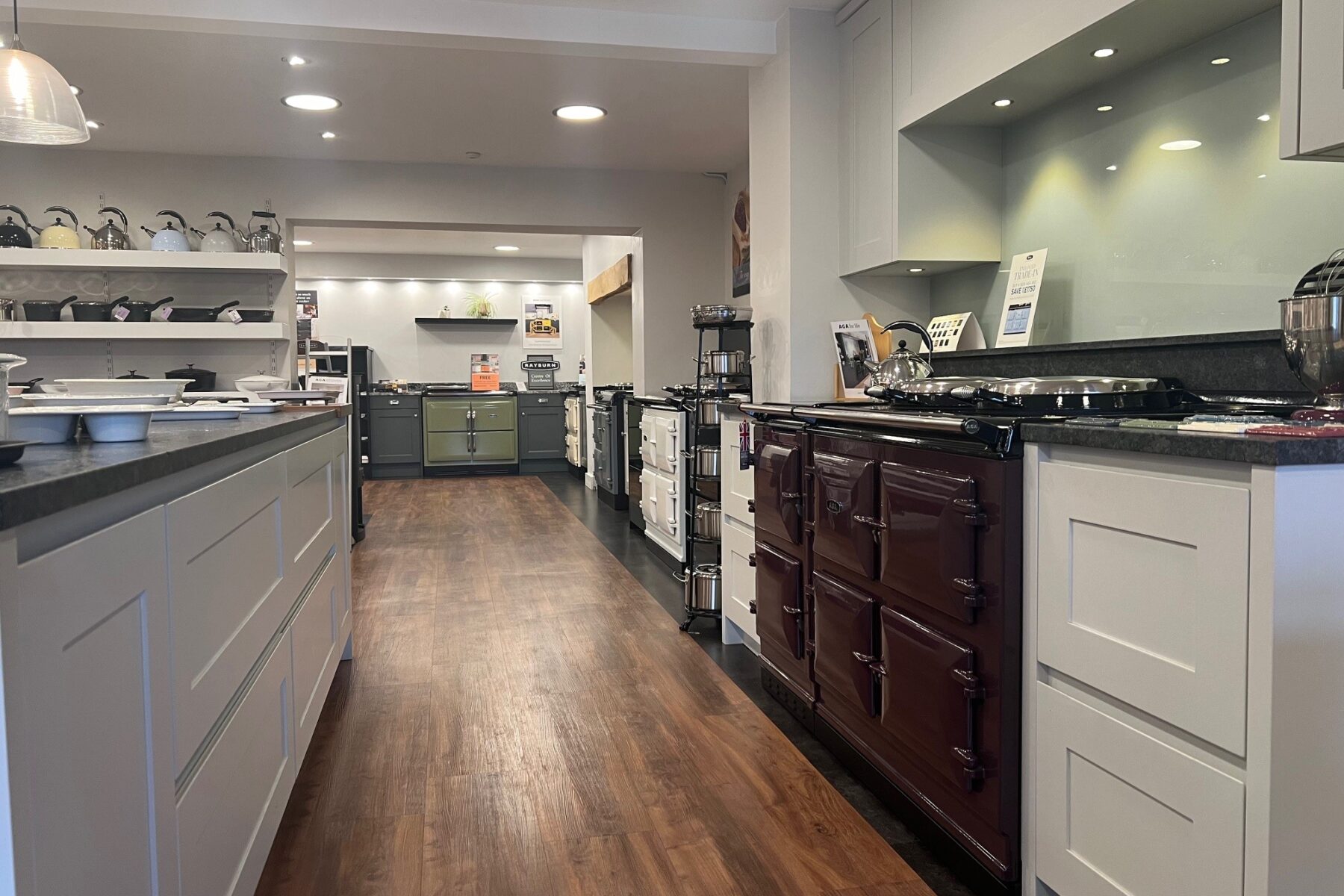
Visit the Gateshead showroom to see different cookers and controls in person, call 0191 482 0033, or contact the team to discuss your existing installation.
Discuss Your Range Cooker Options


If you would like to get in touch please call us on: 0191 482 0033 or complete the form below.
"*" indicates required fields